Child-Centred Play Therapy
At Ark we are dedicated to supporting children to grow into confident, secure and emotionally resilient individuals.
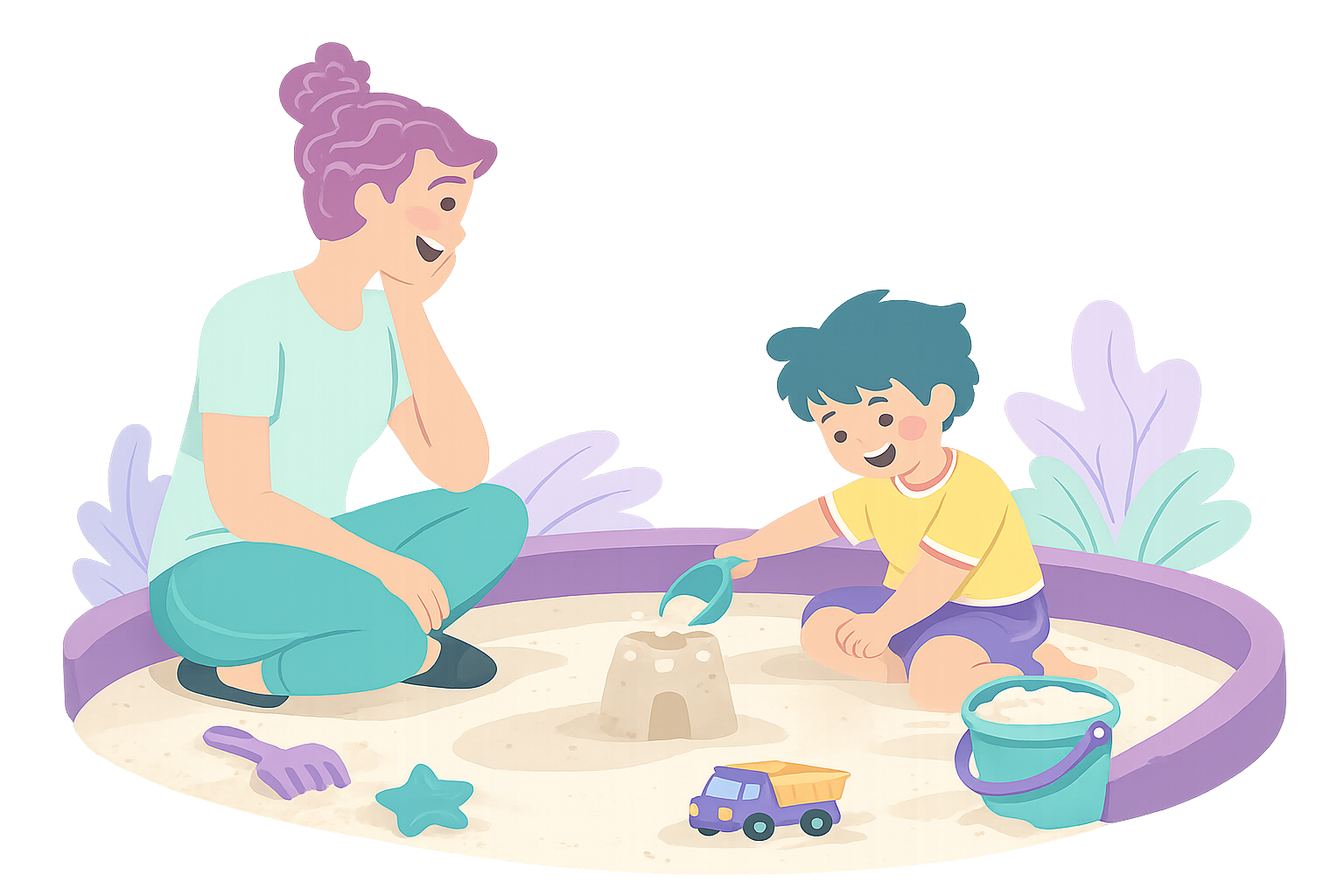
Child-Centred Play Therapy (CCPT) is a developmentally appropriate method of therapy that allows children to express themselves using a language that comes naturally to them- the language of play.
Rather than asking children to “talk about” what’s going on for them, we meet them where they are, providing a safe and non-judgemental space to explore their thoughts, feelings and experiences. Through this process, children are supported to make sense of their world, process emotions, and build confidence at their own pace.
We work collaboratively with families, caregivers and agencies to ensure each child is empowered to reach their goals and full potential.
“Child-Centred play therapy is a complete therapeutic system, and is based on a deep and abiding belief in the capacity and resiliency of children to be constructively self-directing.”
Garry l. Landreth
Who runs Play Therapy?
Alice provides Child-Centred Play Therapy at Ark SC.
Alice has been with us for 4.5 years, working with children and adults living with a disability.
Alice is a Social Worker and Child-Centred Play Therapist.
Alice is deeply passionate about working with children and families, bringing a gentle, warm and compassionate approach.
She believes every child deserves to feel heard and understood, centering her practice on creating a safe, respectful and supportive space.
Who is Play Therapy for?
Child-Centred Play Therapy supports children aged 2-12 years who may be going through a difficult time or need extra support to understand and express themselves.
This may include areas such as:
Trauma
ADHD
Neurodevelopmental disorders such as Autism Spectrum Disorder
Anxiety
Emotional regulation difficulties
Developing pro-social behaviours (including behaviours of concern)
Social and relationship difficulties
Family separation
Domestic violence
Grief and loss
Self-esteem and confidence
Insecure attachments
Abuse
Natural disasters
Chronic illness
FAQs
-
Consistency is important in Child-Centred Play Therapy. Children will attend weekly sessions lasting 45 minutes. If this is not suitable, we can discuss this further during the initial consultation.
-
Psychology often uses talking and structured approaches, while Play Therapy allows children to use play, imagination and creativity.
-
Ark SC CCPT is provided to children aged 2-12 years.
-
Child-Centred Play Therapy does not follow a fixed number of sessions.
The duration is guided by the child’s individual needs and circumstances. If your child has a NDIS Plan with limited therapy hours, we will work with you to meet your child’s goals within their therapy budget.